Revamp Your Car: Examining the Leading Vinyl Selections for Remarkable Auto Wraps
Car wraps have become a popular choice for personalizing vehicles, providing both aesthetic appeal and protection. With various vinyl types available, each suited for different surfaces and budgets, the selection process can be challenging. Recognizing the distinctions among finishes and materials is essential for achieving the desired look. As the conversation progresses, it becomes clear that the right choice can greatly impact both aesthetics and durability. What elements should be evaluated when choosing the ideal wrap?
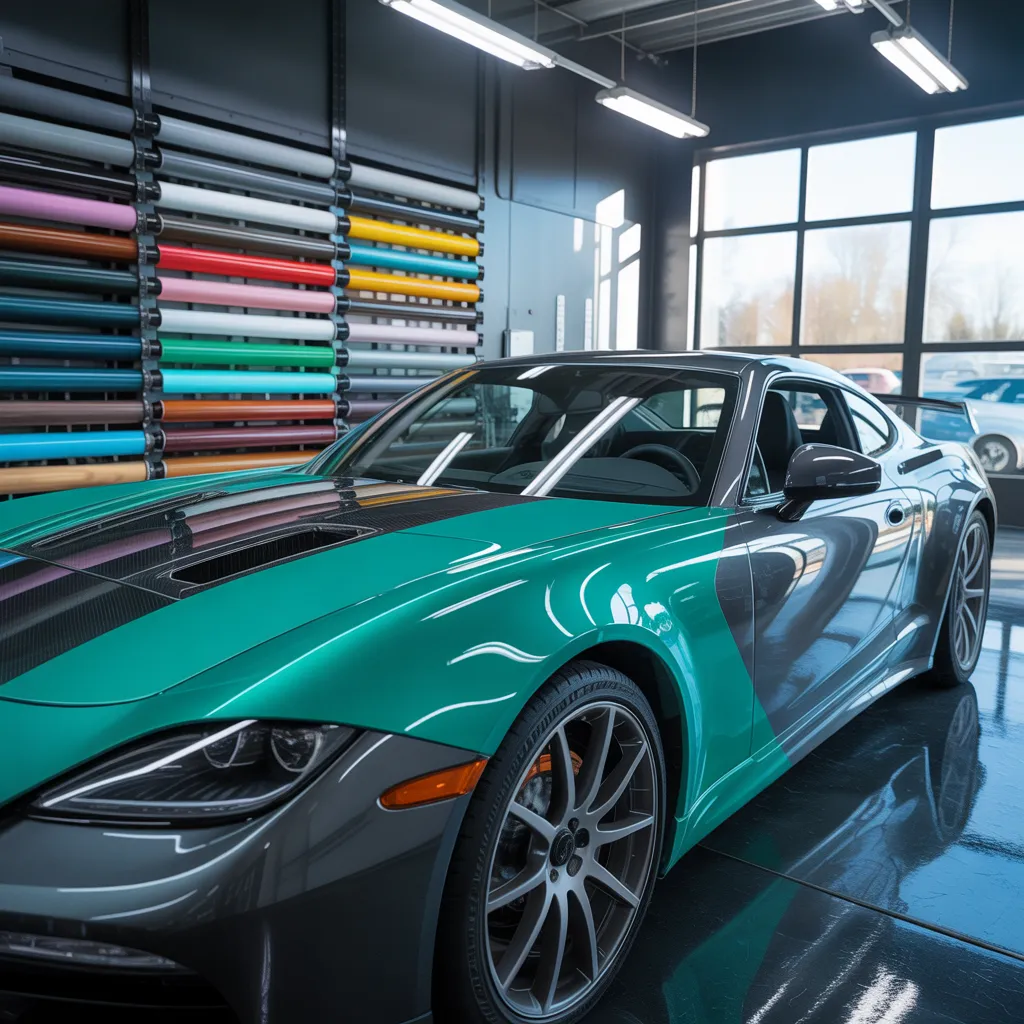
Why Do Car Wraps Have an Advantage Over Paint Jobs?
Automotive wraps deliver several advantages over traditional paint jobs, making them an increasingly popular choice amongst automobile enthusiasts. One primary benefit is the ease of application and removal. Unlike paint, that demands significant preparation and lengthy drying periods, wraps are applied with speed and efficiency, allowing for a swift transformation. Moreover, car wraps provide a protective layer atop the car's factory finish, protecting it against scratches, harmful UV rays, and environmental wear.
Another compelling reason is cost-effectiveness; vehicle wraps are generally more affordable than a complete paint job while offering a one-of-a-kind aesthetic. They further present remarkable flexibility in design, giving owners the freedom to pick from a wide variety of colors and designs without the commitment of permanent paint. Moreover, wraps can be easily changed, enabling new looks without a substantial financial commitment. In summary, these benefits explain the increasing popularity of car wraps among drivers who desire both a visual enhancement and reliable protection for their automobiles.
What Are the Various Types of Vinyl Used for Car Wraps?
When considering possibilities for vehicle wraps, being aware of the various vinyl options available is vital for obtaining the ideal aesthetic and performance. The most common types of vinyl for car wraps include specialty vinyl, cast vinyl, and calendered vinyl.
Cast vinyl is renowned for its durability and conformability, making it ideal for challenging surfaces and lasting installations. Calendered vinyl, on the other hand, presents a more affordable solution though it lacks the same flexibility, making it a stronger fit for level surface applications.
Unique vinyl options offer reflective, metallic, and carbon fiber finishes, providing exceptional styles that elevate a vehicle's overall look. Each type of vinyl has its own set of characteristics, such as durability, thickness, and installation methods. Picking the correct vinyl is vital for obtaining superior begin now results that match individual preferences and vehicle specifications.
Glossy vs. Matte: Which Finish Suits Your Style?
How does one choose between matte and glossy finishes for a vehicle wrap? This decision is often driven by individual taste and the intended effect. Glossy finishes are known for their vibrant, eye-catching appearance, intensifying colors and delivering a smooth, refined aesthetic. They are ideal for those seeking a luminous, striking look that accentuates the natural lines of the vehicle.
In contrast, matte coatings deliver a refined, modern aesthetic. They deliver a distinctive texture that can give cars a sophisticated edge while limiting reflections and glare. This finish can often convey a greater understated elegance, drawing in those who seek a distinctive yet refined look.
In the end, the decision between glossy and matte comes down to personal preference, as each finish brings its own distinct benefits and aesthetic qualities, allowing vehicle owners to express their personality through their wraps.
How Long Can You Expect Your Vinyl Wrap to Last?
What factors influence the longevity of a vinyl wrap? The lifespan of a vinyl wrap typically ranges from three to seven years, depending on various conditions. Quality of the vinyl plays an important role; premium materials often outlast cheaper alternatives. Environmental exposure is another significant factor; UV rays, extreme temperatures, and harsh weather can accelerate wear and fading. Correct installation is critical; wraps that are improperly applied may lift or develop bubbles, shortening their effective life. Consistent care, including mild washing techniques and the avoidance of abrasive products, contributes to a longer-lasting wrap. The location of the wrap on the vehicle also plays a role in its lifespan; portions facing higher levels of abrasion or road particles may degrade at a quicker rate. At the end of the day, recognizing these variables enables vehicle owners to make educated decisions, ensuring that their vinyl wrap investment stays vivid and undamaged for the longest time possible.
What Thickness of Vinyl Should You Choose for Your Car Wrap?
Selecting the right thickness of vinyl for a auto wrap is essential for achieving both aesthetic appeal and long-lasting performance. Typically, a gauge range of 2-4 mils is advised, as it offers a balance between durability and flexibility. Thicker vinyl may improve resilience but can also present complications related to flexibility and installation.
Recommended Thickness Range
When picking vinyl for a car wrap, understanding the ideal thickness range is essential for achieving the finest results. Generally, vinyl thickness ranges from 2 mils (0.002 inches) to 6 mils (0.006 inches). Vinyl on the thinner side, around 2 to 3 mils, delivers flexibility, enabling it to conform smoothly to curves and contours. That said, it might be more susceptible to wear and tear. In contrast, thicker vinyl, around 4 to 6 mils, provides enhanced durability and longer-lasting visual appeal. This equilibrium between flexibility and durability is essential for optimal application and longevity. Ultimately, the thickness chosen should correspond to the particular requirements of the vehicle and the intended aesthetic outcome, ensuring that both performance and visual appeal are maximized.
Effect on Long-Term Durability
Durability plays an essential role in determining the ideal vinyl thickness for vehicle wraps. Heavier vinyl, usually falling between 2 and 6 mils, offers enhanced resistance to wear, tearing, and environmental factors. This greater thickness safeguards the vehicle's surface against scratches, UV exposure, and weather-related damage. Nevertheless, despite its durability advantages, thicker vinyl tends to be less flexible, which can complicate installation, especially on contoured surfaces. Conversely, thinner vinyl might be easier to manipulate but may require more frequent replacement due to wear and tear. At the end of the day, the best thickness achieves a balance between longevity and ease of application, ensuring the vehicle wrap remains visually striking and protective over the long term.
How to Plan Your Car Wrap Budget
When setting a budget for a car wrap, it is crucial to determine the total cost of the wrap material. Moreover, installation costs should be factored in, as they can considerably affect the total cost. A clear understanding of these components will aid in creating a realistic budget.
Figure Out Total Wrap Cost
Planning a budget for a car wrap requires careful consideration of various factors that influence the total cost. The main factor is the selected vinyl material, which fluctuates in pricing according to the quality and type of finish. Furthermore, the size and type of vehicle have a considerable impact; larger vehicles or those with complex shapes typically come with greater expenses. Customers should also account for required preparatory work, such as addressing surface imperfections or cleaning, which can increase the total cost. It is important to set a budget that considers these elements while allowing for potential unexpected costs. By considering these components, individuals can create a realistic financial plan for their car wrapping endeavor.
Include Installation Fees
Installation costs are a key element in the total expense of a vehicle wrap and should not be overlooked during the budgeting process. Such costs can differ greatly based on how complex the installation is, the skill level of the installer, and the size of the vehicle. In most cases, professional installation provides a high-quality finish, lowering the likelihood of bubbles or misalignment.
To plan finances wisely, it is advisable for car owners to request pricing from various installers, comparing services and expertise. A number of providers may present all-inclusive deals that include both materials and installation, which can provide better value. Planning for these expenses upfront will help avoid surprises and guarantee a smooth, successful wrap application.
Key Tips for Preserving Your Car Vinyl Wrap Over Time
Looking after a car vinyl wrap is essential for sustaining its vivid appearance and extending its lifespan. Frequent washing is necessary; employing a soft sponge or cloth with gentle soap helps eliminate dust and pollutants without damaging the vinyl. It is advisable to refrain from using automatic car washes with brushes, as they can harm the surface.
Additionally, using a protective sealant can increase resistance to UV rays and durability. Using a car cover or parking in shaded areas can additionally reduce fading and sun-related damage.
It is essential to tackle any scratches or tears quickly to prevent moisture from seeping underneath the wrap, which can lead to peeling. Furthermore, routine checks for any signs of wear can help identify problems early on, ensuring the wrap remains in excellent condition. By adhering to these guidelines, car owners can take full advantage of the aesthetic appeal of their vinyl wraps for a long time.
Frequently Asked Questions
Can I Wrap My Car Myself, or Should I Hire a Professional?
DIY car wrapping is achievable but demands skill and patience. Hiring a professional guarantees a flawless finish, as they bring expertise and equipment that significantly minimize errors and improve the final look.
In What Ways Do Weather Conditions Impact the Longevity of Car Wraps?
Climate conditions notably influence the durability of car wraps. Extreme temperatures, humidity, and UV exposure can contribute to fading, peeling, or bubbling. Proper installation and maintenance are essential to maximize lifespan under changing environmental circumstances.
Are There Color Restrictions When It Comes to Car Wraps?
Color restrictions for car wraps arise mainly from the availability of vinyl colors and finishes. Although the majority of colors can be sourced, some custom shades may need special orders, which could raise costs and extend lead times for customers.
Will a Car Wrap Affect My Vehicle's Resale Value?
A car wrap has the potential to have a positive or negative impact on a vehicle's resale value. A high-quality wrap is likely to appeal to buyers looking for personalized vehicles, while poor application or damage may discourage prospective buyers, impacting overall vehicle desirability and marketability.
Is It Possible to Remove a Vinyl Wrap Without Harming the Paint Underneath?
That's correct, vinyl wrapping can generally be peeled away without affecting the base paint, as long as it was installed correctly and the paint is in excellent condition. The right methods and equipment can additionally lessen any possible damage during the removal process.